
Website Mosshead Egg Farm
About the Poultry Industry in the United Kingdom
The poultry sector is a cornerstone of UK agriculture, representing one of the largest and most technologically advanced farming industries in the country. It plays a critical role in national food security, producing over 20 million birds per week for meat and billions of eggs annually. The industry operates within a stringent framework of UK and EU-derived welfare standards, biosecurity protocols, and environmental regulations, making it a highly professionalised and vital part of the rural economy.
This recruitment campaign seeks dedicated individuals for the essential role of Poultry Farm Worker on farms across England, Scotland, Wales, and Northern Ireland. These positions are fundamental to the daily operations that ensure the health, welfare, and productivity of poultry flocks. For those who appreciate working with livestock, value structured routines, and seek a role with tangible outcomes, poultry farming offers stable, year-round employment in the countryside.
We are now recruiting for immediate starts. These roles offer a genuine entry point into the agricultural sector, with comprehensive on-the-job training provided for motivated candidates.
The Position: Poultry Farm Worker
As a Poultry Farm Worker, you will be responsible for the day-to-day care and management of poultry within controlled environment housing (such as broiler sheds for meat birds or layer houses for egg production). This is a hands-on, physical role that requires diligence, compassion for animal welfare, and a strong sense of responsibility.
You will be a key member of a small farm team, ensuring the smooth operation of a modern agricultural enterprise. Your work directly impacts animal wellbeing, farm productivity, and the safety of the food supply chain.
Core Responsibilities & Daily Tasks
-
Animal Care & Welfare: Conducting regular health checks and welfare observations of the flock, identifying any sick or injured birds, and providing appropriate care or reporting to the supervisor. This is the central duty of the role.
-
Feeding & Watering Management: Monitoring and managing automated feeding and drinking systems. Ensuring a constant, clean supply of water and feed, and manually checking systems for blockages or faults.
-
Environmental Control: Assisting in the monitoring of shed environment parameters including temperature, ventilation, and humidity using computerised control panels. Making basic adjustments and reporting any significant deviations.
-
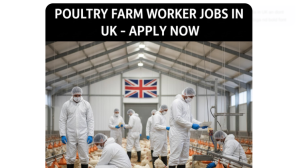
Biosecurity Protocol Adherence: Rigorously following on-farm biosecurity measures to prevent disease. This includes showering in/out, wearing provided personal protective equipment (PPE) and farm-specific clothing, and disinfecting equipment and footwear.
-
General Maintenance & Cleaning: Performing routine cleaning and maintenance tasks. This includes cleaning sheds between flocks (full depopulation cleans), maintaining equipment, and keeping all work areas tidy and functional.
-
Catching & Handling: Assisting with the careful catching and handling of birds for vaccination, health checks, or at the end of a production cycle (“thinning” or final depopulation).
-
Record Keeping: Accurately completing daily flock records related to mortality, feed consumption, water usage, and environmental conditions as required.
-
Teamwork: Working collaboratively with other farm staff under the direction of a Farm Manager or Supervisor to complete all daily tasks efficiently and safely.
Who We Are Looking For: The Ideal Candidate Profile
We seek reliable, physically fit individuals with a strong work ethic and a genuine respect for animal welfare. No prior experience in poultry farming is strictly necessary for entry-level roles, as full training will be provided. However, the right attitude and aptitudes are essential.
Essential Personal Attributes & Skills
-
Reliability & Punctuality: Poultry farming is a 365-day-a-year operation. Candidates must be dependable, punctual, and willing to work early starts, weekends, and bank holidays on a rota basis.
-
Physical Fitness & Stamina: The role involves manual labour, including lifting (feed bags, birds), bending, and long periods of walking and standing on often uneven surfaces.
-
Attention to Detail: The ability to notice subtle changes in bird behaviour, feed/water consumption, or environmental conditions is crucial for early problem detection.
-
Animal Compassion: A calm, patient demeanour and a genuine concern for the welfare of livestock are fundamental.
-
Ability to Follow Strict Procedures: A conscientious approach to following detailed protocols related to biosecurity, animal welfare, and health & safety without deviation.
-
Team Player Mentality: The ability to work harmoniously as part of a small, close-knit team, communicating clearly and supporting colleagues.
-
Basic Numeracy & Literacy: Required for record-keeping and understanding operational guidelines.
Advantageous (But Not Essential) Experience
-
Previous experience in livestock handling, farming, or an agricultural setting.
-
A valid UK driving licence, especially for farms in remote rural locations.
-
Certification in manual handling or first aid.
-
A keen interest in pursuing formal agricultural qualifications (e.g., through an apprenticeship).
Important Job Conditions to Consider
-
Environment: Work is primarily indoors in large, climate-controlled sheds, which can be dusty, noisy, and have distinct odours. Outdoor work for maintenance may also be required.
-
Physical Nature: This is a physically demanding role that involves repetitive tasks.
-
Schedule: Hours typically follow an early morning start pattern and include weekend work. Contracts are usually full-time and permanent.
Employment Terms, Benefits & Career Pathway in UK Agriculture
Working as a Poultry Farm Worker in the UK comes with structured terms and opportunities for advancement.
-
Competitive Agricultural Wage: Pay is typically based on the Agricultural Wages Order (in England) or equivalent frameworks, ensuring a fair minimum wage for the sector, often with enhancements for overtime and weekend work.
-
Permanent Contract: Successful candidates usually receive a permanent contract after a probationary period, offering job security.
-
Comprehensive Training: Employers invest in mandatory training, including Health & Safety, Animal Welfare, Biosecurity, and Manual Handling. Further training for equipment operation (e.g., forklift) may be provided.
-
Pension & Benefits: Entitlement to auto-enrolment pension schemes and statutory benefits like paid holiday (typically 28 days including bank holidays) and sick pay.
-
Potential Accommodation: Some remote farms may offer subsidised or tied accommodation as part of the role—details will be specified in the job offer.
-
Career Progression: This is a recognised entry point. With experience and further training, motivated workers can progress to Senior Stockperson, Assistant Farm Manager, Farm Manager, or specialise in areas like poultry health and nutrition.
The Application & Recruitment Process
The hiring process for these roles is typically straightforward and efficient, focusing on practical suitability.
-
Application Submission:
-
APPLY NOW via the online portal or contact method provided in the specific advertisement.
-
Submit a simple, clear CV and a brief covering note expressing your interest and highlighting your reliability and willingness to learn.
-
-
Initial Contact: A farm manager or recruiter will likely conduct a brief telephone screening to discuss the role’s realities, your availability, and location preferences.
-
Farm Visit & Practical Interview: Shortlisted candidates are almost always invited for an on-farm interview. This is a two-way process: you will see the working environment, and the manager will assess your practical attitude and comfort level on the farm. This may involve a walk around the external areas of the sheds (subject to biosecurity).
-
Offer & Onboarding: A verbal offer is usually followed by a formal contract. The onboarding process will include all essential training and inductions before you begin independent work with the flock.
How to Prepare Your Application
-
Emphasise Soft Skills: In your CV and cover note, strongly highlight your reliability, teamwork, physical fitness, and attention to detail. Use examples from any previous work, even if not in farming.
-
Demonstrate Awareness: Show that you understand the core requirements of the job—animal welfare, early starts, physical demands, and biosecurity. A line such as “I understand the importance of strict biosecurity and animal welfare protocols” is valuable.
-
Be Flexible on Location: The UK poultry industry is widespread. Indicating a willingness to consider roles within a reasonable travel radius or in regions with high industry presence (e.g., East Anglia, Lincolnshire, Scotland, Wales) increases your opportunities.
-
Honesty is Key: Be clear about your availability for early starts and weekend work. Enthusiasm to learn is more important than pre-existing knowledge.
To apply for this job please visit lnkd.in.