
Website International Committee of the Red Cross
Introduction to Humanitarian Work and Career Development
The humanitarian sector represents a critical global network dedicated to providing assistance and protection to people affected by conflicts and natural disasters. This field brings together professionals from diverse backgrounds united by a common purpose: to alleviate human suffering and uphold human dignity. For those beginning their professional journey, humanitarian work offers not just employment but a pathway to meaningful global engagement and personal development.
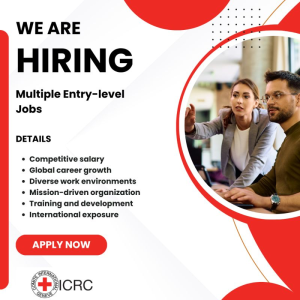
The International Committee of the Red Cross (ICRC) is currently recruiting for multiple entry-level positions across various functions and locations. These opportunities are designed for recent graduates and early-career professionals seeking to apply their skills in a mission-driven environment while developing expertise in international humanitarian work.
Understanding ICRC’s Mission and Operational Context
The ICRC operates as an independent, neutral organization ensuring humanitarian protection and assistance for victims of armed conflict and other situations of violence. With a presence in over 80 countries, the organization works closely with national Red Cross and Red Crescent Societies to deliver comprehensive humanitarian response.
Entry-level professionals at ICRC become part of this extensive global network, contributing to operations that include:
-
Protection activities for civilians, detainees, and missing persons
-
Healthcare services in conflict-affected regions
-
Water and habitat engineering projects
-
Economic security programs
-
Cooperation with National Societies and humanitarian diplomacy
Available Entry-Level Positions and Career Tracks
ICRC’s entry-level program encompasses multiple functional areas, allowing candidates to align their specific skills with organizational needs.
Primary Position Categories:
-
Field Operations Support
-
Assistant Field Officers: Support coordination of field activities and monitoring of humanitarian programs
-
Protection Assistants: Aid in documentation and analysis of protection cases
-
Communication Support Officers: Assist in developing and disseminating humanitarian messages
-
-
Technical and Specialist Support
-
Health Program Assistants: Support medical team in logistics and program coordination
-
Water and Habitat Assistants: Assist engineers in project documentation and site monitoring
-
Logistics Support Officers: Help manage supply chain and procurement processes
-
-
Administrative and Coordination Roles
-
Administrative Assistants: Provide operational support to various departments
-
Program Coordination Assistants: Support planning and reporting activities
-
Finance and Administration Associates: Assist in financial tracking and administrative processes
-
Candidate Qualifications and Requirements
ICRC seeks candidates who demonstrate alignment with humanitarian principles and possess the foundational skills necessary for professional development in international work.
Essential Qualifications:
-
Educational Background: Bachelor’s degree in relevant field (International Relations, Social Sciences, Public Health, Engineering, Business Administration, or related disciplines)
-
Language Skills: Fluency in English; additional languages (particularly French, Spanish, or Arabic) are highly valued
-
Cross-Cultural Competence: Demonstrated ability to work effectively in diverse cultural contexts
-
Adaptability: Willingness to work in challenging environments and adapt to changing operational needs
-
Commitment to Principles: Understanding and commitment to Red Cross/Red Crescent fundamental principles
Preferred Attributes:
-
Previous volunteer or internship experience in humanitarian or development organizations
-
International experience through study, work, or volunteer assignments
-
Technical skills relevant to specific positions (data analysis, project management, technical engineering skills)
-
Additional language capabilities beyond English and French
Professional Development and Growth Opportunities
ICRC invests significantly in the professional development of entry-level staff, providing structured growth pathways and comprehensive training.
Training and Development Framework:
-
Comprehensive Onboarding: Orientation to ICRC’s mission, principles, and operational procedures
-
Technical Skill Building: Role-specific training in protection, health, logistics, or administration
-
Language Training: Support for language acquisition when relevant to deployment
-
Professional Certifications: Opportunities for recognized humanitarian certifications
-
Mentorship Programs: Pairing with experienced humanitarian professionals
Career Advancement Pathways:
-
Vertical Growth: Progression from entry-level to officer and management positions
-
Geographic Mobility: Opportunities for international deployment across ICRC’s global operations
-
Functional Specialization: Development of expertise in specific humanitarian sectors
-
Cross-Functional Movement: Ability to transition between different operational areas
Compensation and Benefits Package
ICRC offers a comprehensive compensation package designed to support staff working in diverse and often challenging environments.
Compensation Structure:
-
Competitive Salary: Internationally competitive pay scales based on role and deployment location
-
Mobility Benefits: Additional allowances for international deployment and hardship locations
-
Career Growth Incentives: Performance-based advancement opportunities
Benefits and Support Services:
-
Health and Insurance: Comprehensive health, life, and disability insurance coverage
-
Housing Support: Accommodation assistance or provided housing in deployment locations
-
Travel Benefits: Home leave travel and relocation support
-
Wellness Programs: Psychological support and staff welfare services
-
Education Support: Assistance for continuing education and professional development
Work Environments and Deployment Opportunities
Entry-level professionals at ICRC experience diverse working contexts that shape their humanitarian careers.
Operational Contexts:
-
Urban Centers: Working from regional or country delegation offices
-
Field Locations: Direct implementation in conflict-affected areas
-
Headquarters Support: Roles based in Geneva supporting global operations
-
Hybrid Arrangements: Combination of office and remote work where operationally feasible
Geographic Diversity:
-
Africa: Extensive operations across Sub-Saharan Africa
-
Middle East: Significant presence in conflict-affected regions
-
Asia-Pacific: Diverse humanitarian programs across the region
-
Americas: Operations throughout Latin America and the Caribbean
-
Europe: Headquarters and regional delegation roles
Application Process and Timeline
The ICRC recruitment process for entry-level positions follows a structured approach to identify candidates with the greatest potential for humanitarian work.
Application Stages:
-
Initial Application
-
Online application through ICRC career portal
-
Submission of CV and motivation letter
-
Preliminary screening against basic qualifications
-
-
Assessment Phase
-
Online technical and situational assessments
-
Language proficiency evaluation
-
Video interviews for remote candidates
-
-
Selection Process
-
Competency-based interviews with hiring managers
-
Group exercises and case studies for selected roles
-
Reference checks and background verification
-
-
Onboarding and Deployment
-
Conditional offers based on position availability
-
Comprehensive pre-deployment preparation
-
Structured onboarding and orientation program
-
Organizational Culture and Values
ICRC’s workplace culture reflects its humanitarian mission and principles, creating a unique professional environment.
Core Cultural Elements:
-
Neutrality and Impartiality: Commitment to serving all affected populations without discrimination
-
Professional Excellence: High standards of humanitarian delivery and ethical conduct
-
Team Collaboration: Strong emphasis on collective achievement and mutual support
-
Innovation and Learning: Culture of continuous improvement and adaptation
-
Staff Well-being: Organizational commitment to supporting staff in challenging environments
How to Apply
Interested candidates should prepare the following application materials:
-
Updated Curriculum Vitae: Highlighting relevant education, skills, and experience
-
Comprehensive Cover Letter: Demonstrating alignment with humanitarian principles and specific position requirements
-
Language Certificates: Documentation of language proficiencies where applicable
-
Professional References: Contact information for 2-3 professional references
To apply for this job please visit lnkd.in.