

Website VGH
Building Careers Across Essential Industries
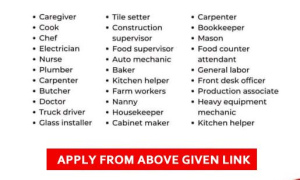
The global economy relies on a vast and diverse workforce of skilled professionals who perform the critical tasks that keep our societies functioning, from healthcare and construction to food service and transportation. This comprehensive listing represents active hiring across numerous essential sectors, including healthcare, culinary arts, construction trades, automotive repair, hospitality, and administrative support. These roles form the backbone of communities and industries worldwide, offering stable, hands-on careers with clear pathways for advancement and specialization. Whether you are a certified professional like a nurse or doctor, a licensed tradesperson like an electrician or plumber, or an individual building experience as a general laborer or kitchen helper, there are immediate opportunities to apply your skills and dedication in a meaningful career.
Detailed Role Categories and Responsibilities
1. Healthcare & Caregiving
Professionals dedicated to well-being and medical support.
-
Caregiver: Provide non-medical, in-home support to seniors or individuals with disabilities, assisting with daily living activities, companionship, and light housekeeping.
-
Nurse (RN/LPN): Deliver direct patient care in settings like hospitals, clinics, or long-term care facilities. Responsibilities include administering medication, monitoring patient health, assisting doctors, and providing patient education.
-
Doctor (General Practitioner/Specialist): Diagnose and treat patient illnesses, injuries, and other health conditions. Requires extensive medical education and licensing.
-
Nanny: Provide childcare within a family’s home, responsible for children’s safety, developmental activities, meals, and routines.
2. Culinary & Food Services
Experts in food preparation, safety, and service.
-
Cook / Chef: Prepare, cook, and present food in restaurants, hotels, cafeterias, or catering services. Chefs often manage kitchen operations, create menus, and supervise staff.
-
Butcher: Prepare meat by cutting, trimming, and boning carcasses for sale or use in kitchens. Requires knowledge of meat cuts, safety, and equipment operation.
-
Baker: Mix and bake ingredients to produce breads, pastries, and other baked goods following standardized recipes.
-
Food Supervisor / Kitchen Helper: Supervisors oversee kitchen staff and operations. Kitchen helpers (prep cooks) assist with basic food prep, cleaning, and stocking.
-
Food Counter Attendant: Serve customers at fast-food or casual dining counters, taking orders, handling payments, and assembling meals.
3. Construction & Skilled Trades
Licensed and experienced builders shaping our physical environment.
-
Electrician: Install, maintain, and repair electrical wiring, systems, and fixtures in buildings, ensuring compliance with safety codes.
-
Plumber: Assemble, install, and repair pipes, fittings, and fixtures for water, gas, drainage, and HVAC systems.
-
Carpenter / Cabinet Maker: Construct, install, and repair building frameworks and structures—from rough framing to finished cabinetry and furniture—using wood and other materials.
-
Mason: Build and repair structures with brick, block, stone, and concrete, focusing on foundations, walls, walkways, and other masonry work.
-
Tile Setter: Apply and install hard tile, marble, and wood tile for walls, floors, and other surfaces.
-
Glass Installer (Glazier): Cut, install, and remove glass in windows, skylights, storefronts, and display cases.
-
Construction Supervisor: Oversee construction projects on-site, coordinating tradespeople, ensuring compliance with plans and safety regulations, and managing schedules and budgets.
-
General Laborer: Perform essential physical tasks on construction sites, including site cleanup, material handling, and assisting skilled tradespeople.
4. Automotive & Equipment Mechanics
Technicians ensuring vehicles and machinery operate safely and efficiently.
-
Auto Mechanic: Diagnose, maintain, and repair cars and light trucks, including engines, brakes, transmissions, and electrical systems.
-
Heavy Equipment Mechanic: Service and repair large machinery used in construction, farming, or industry, such as bulldozers, cranes, and tractors.
-
Truck Driver: Transport goods over local or long-distance routes, ensuring timely delivery and compliance with all transportation laws and logbook requirements.
5. Administrative & Support Services
The organizational core of businesses and households.
-
Bookkeeper: Maintain a company’s financial records, including recording transactions, managing accounts payable/receivable, and producing basic financial reports.
-
Front Desk Officer / Receptionist: Act as the first point of contact for a business, greeting clients, answering phones, scheduling appointments, and handling administrative tasks.
-
Housekeeper: Perform cleaning duties in residential, commercial, or hotel settings to maintain a clean, orderly, and sanitary environment.
-
Production Associate: Work on a manufacturing or assembly line, operating machinery, assembling products, and conducting quality checks.
6. Agricultural & General Labor
Foundational roles in primary industries and operations.
-
Farm Worker: Perform physical tasks on farms, including planting, cultivating, harvesting crops, and tending to livestock.
-
General Laborer (Various Industries): Provide essential manual labor support in warehouses, factories, landscaping, and other settings, involving tasks like loading, unloading, sorting, and basic maintenance.
Core Qualifications and Required Attributes
While specific requirements vary dramatically by role, successful candidates in these fields often share common traits:
For Licensed & Certified Roles (Nurse, Electrician, Plumber, Doctor):
-
Mandatory Certification: Valid professional license, journeyman ticket, or state/national certification.
-
Formal Education: Degree from an accredited nursing school, medical school, or recognized trade apprenticeship program.
-
Proven Experience: Demonstrated work history in the field, often with letters of reference.
For Skilled Trade & Supervisory Roles (Chef, Carpenter, Construction Supervisor):
-
Technical Proficiency: Hands-on skill verified through a portfolio, work samples, or employer references.
-
Experience: Several years of direct experience, with supervisory roles requiring proven leadership.
-
Safety Knowledge: Certifications like WHMIS, First Aid, Food Safe, or industry-specific safety training are often required.
For Support & Entry-Level Roles (Kitchen Helper, General Laborer, Farm Worker):
-
Reliability & Work Ethic: Punctuality, consistency, and a strong willingness to work.
-
Physical Stamina: Ability to perform repetitive tasks, stand for long periods, or lift moderate weights.
-
Teamwork: Ability to follow instructions and work cooperatively with others.
-
Basic Communication Skills: Understanding of workplace instructions, often in the dominant local language.
Employment Benefits and Career Pathways
Careers in these essential fields offer tangible rewards and growth potential.
-
Competitive Wages & Overtime: Many skilled trades and healthcare roles offer strong hourly wages or salaries, with opportunities for overtime pay.
-
Benefits Packages: Full-time positions often include medical/dental insurance, retirement plans (pension/401k), and paid time off.
-
Union Membership: Many trades are unionized (e.g., IBEW for electricians, UA for plumbers), providing defined wage scales, benefits, and job security.
-
Clear Advancement Ladders: Apprentice → Journeyman → Master Tradesperson. Cook → Sous Chef → Head Chef. Caregiver → Lead → Coordinator.
-
Job Stability: High demand for essential services provides recession-resilient career paths.
-
Tangible Results: The satisfaction of building something, healing someone, or directly serving your community.
The Application Process for Skilled Positions
The hiring process is typically straightforward and focused on verifying skills and fit.
-
Prepare Your Application Toolkit:
-
Resume: For trades, list projects, tools you’re proficient with, and licenses. For healthcare, list certifications and clinical experience.
-
References: Have 2-3 professional references ready.
-
Portfolio/Licenses: Tradespeople should have photos of their work. Have digital copies of all licenses and certificates.
-
-
Find Opportunities: Use the application link provided in the original posting, which likely directs to a specialized job board or agency for these roles. Also check:
-
Industry-specific job boards
-
Company websites (for hospitals, construction firms, large restaurants)
-
Government job centers
-
-
Initial Screening: A recruiter or hiring manager will contact you for a phone screen to discuss your experience and availability.
-
Practical Assessment / Interview:
-
For Trades: A practical test on-site or in a shop is common.
-
For Culinary: A “stage” or cooking trial in the kitchen.
-
For General Labor: An in-person interview focusing on attitude and reliability.
-
-
Job Offer & Onboarding: An offer will detail pay, schedule, and benefits. Onboarding includes safety orientations and role-specific training.
How to Apply Successfully
To apply for the specific roles listed (Caregiver, Cook, Electrician, etc.), you must use the dedicated application link provided in the original source material. The text “APPLY FROM ABOVE GIVEN LINK” indicates this is a centralized portal.
Maximizing Your Application:
-
Target Your Resume: Customize your resume for the specific job category. A carpenter’s resume should look different from a nurse’s.
-
Highlight Certifications: Place all relevant licenses, tickets, and safety certifications at the top of your resume.
-
Be Prepared to Verify Status: For roles requiring work authorization, have your documents in order.
-
Follow Instructions: If the posting specifies an email subject line or a specific link, use it precisely.
-
Demonstrate Soft Skills: In your communication, emphasize reliability, diligence, and teamwork—qualities prized in all these fields.
To apply for this job please visit lnkd.in.