

Website NexusPharma Innovations
A Comprehensive Guide to Securing a Professional Role in Ireland
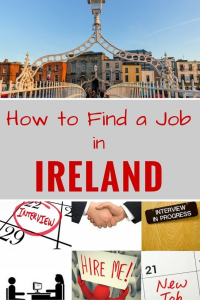
Navigating the job market in a new country, or even within your own, can often feel like deciphering a complex code. Notices like “New,” “Interview in Progress,” and “Hire Me!!” are familiar markers on a journey that requires strategy, preparation, and a clear understanding of the process. This article serves as a detailed guide, breaking down the essential steps to not only find but also successfully secure a professional position in Ireland.
Understanding the Irish Job Market Landscape
Ireland, particularly its urban hubs like Dublin, Cork, Galway, and Limerick, boasts a dynamic and multinational economy. It’s a European headquarters for many global leaders in technology, pharmaceuticals, finance, and medtech. This creates a vibrant employment landscape with unique opportunities and competition.
Key Sectors with High Demand:
-
Technology & ICT: From established giants like Google and Meta to a thriving startup scene, Ireland’s “Silicon Docks” is a major employer for software developers, data analysts, IT support, and cybersecurity experts.
-
Pharmaceuticals & Medtech: With companies like Pfizer, Johnson & Johnson, and Boston Scientific, there is a constant demand for professionals in manufacturing, quality assurance, regulatory affairs, and R&D.
-
Financial Services & Fintech: Dublin’s International Financial Services Centre (IFSC) and the growing Fintech sector need talent in accounting, compliance, risk analysis, and software engineering.
-
Business & Shared Services: Many multinationals operate their European shared service centers in Ireland, hiring for roles in HR, finance, customer support, and supply chain management.
Market Sentiment: The market is active and candidate-driven in many high-skill areas. Employers are not just looking for qualifications; they are seeking cultural add, adaptability, and strong soft skills. Understanding this will shape your entire application strategy.
Deconstructing the Job Search Process: From “New” to “Hire Me”
The snippets from the job post—”New,” “Interview 29,” “Hire Me!! 21,” “Interview in Progress”—represent the typical pipeline of a hiring manager and the journey of an active candidate. Let’s translate this into an actionable plan for you.
Phase 1: The “New” Opportunity – Sourcing Roles
This is the foundational stage where you identify potential openings. A passive approach is insufficient; a proactive, multi-channel strategy is critical.
-
Online Job Portals: Utilize major Irish job sites like IrishJobs.ie, Jobs.ie, and LinkedIn Jobs. Set up tailored job alerts using keywords specific to your industry.
-
Company Career Pages: If you have a target list of companies you admire, bookmark their career pages and check them regularly. Often, roles appear here before they hit public boards.
-
Recruitment Agencies: Building a relationship with a specialized recruiter can be invaluable. They have insights into unadvertised roles and can advocate for you. Focus on agencies that specialize in your field (e.g., IT, Life Sciences, Finance).
-
Networking: This is arguably the most powerful tool. A significant number of roles are filled through referrals and connections.
-
LinkedIn: Optimize your profile, connect with professionals in your target companies, and engage with content relevant to your industry.
-
Professional Meetups & Events: Attend industry conferences, seminars, and networking events. Platforms like Meetup.com are excellent for finding these.
-
Alumni Networks: Connect with graduates from your university who are now working in Ireland.
-
Phase 2: The Application & “Hire Me!!” – Crafting Your Pitch
Your application is your personal sales pitch. It must be compelling, error-free, and tailored for each specific role. The “Hire Me!!” attitude must be evident in your documents.
Your CV/Résumé:
-
Tailor, Tailor, Tailor: Do not use a generic CV. Analyze the job description and mirror its keywords and language. If a job requires “project management,” ensure your experience highlights “managed projects.”
-
Format for Success: Use a clean, professional layout. Lead with a powerful Professional Summary—a 3-4 line elevator pitch at the top that summarizes your key skills and achievements.
-
Quantify Achievements: Don’t just list duties; show impact. Instead of “Responsible for sales,” write “Increased regional sales by 15% year-over-year by implementing a new CRM strategy.”
-
Keep it Concise: Aim for two pages maximum. Recruiters spend seconds on an initial scan.
Your Cover Letter:
-
Address it Properly: Find the name of the hiring manager or HR contact on LinkedIn. A personalized address is far superior to “To Whom It May Concern.”
-
Tell a Story: Connect your experience directly to the company’s needs. Explain why you are interested in this specific role at this specific company.
-
Highlight Cultural Fit: Briefly mention how your values align with the company’s published mission or culture.
Phase 3: The “Interview in Progress” – Mastering the Engagement
You’ve passed the initial screen and are now in the active interview phase. This can involve multiple rounds.
The Initial Screening (Often a Phone/Video Call):
-
Purpose: To verify basic details, salary expectations, and communication skills.
-
Preparation: Have your CV in front of you. Research the company. Prepare a concise answer to “Tell me about yourself.”
-
Environment: Ensure you are in a quiet, well-lit space with a stable internet connection for video calls.
The Technical/Competency-Based Interview:
-
Purpose: To assess your hard skills and your ability to apply your experience.
-
Preparation: Review the job description’s required skills. Be ready to talk about specific projects.
-
Use the STAR Method (Situation, Task, Action, Result) to structure your answers. This provides clear, concise, and evidence-based responses.
-
Example Question: “Tell me about a time you faced a difficult challenge at work.”
-
STAR Answer:
-
Situation: “In my previous role at XYZ Corp, our team was tasked with migrating to a new software platform with a very tight 3-month deadline.”
-
Task: “My responsibility was to lead the data migration sub-team and ensure zero data loss.”
-
Action: “I developed a new, automated validation script to check data integrity, held daily stand-up meetings to track progress, and created a rollback plan.”
-
Result: “As a result, we completed the migration two weeks ahead of schedule with 100% data integrity, which the CEO highlighted in a company-wide email.”
-
-
The Final/Cultural Fit Interview:
-
Purpose: To determine if you are a good long-term fit for the team and company culture.
-
Preparation: Prepare thoughtful questions for the interviewer. This shows genuine interest.
-
“What do you enjoy most about working here?”
-
“Can you describe the dynamics of the team I would be working with?”
-
“What are the biggest challenges the team/department is currently facing?”
-
Phase 4: The Offer and Beyond
-
The Offer: Once you receive a verbal offer, you can often negotiate. Be reasonable and base your request on market research for similar roles in Ireland.
-
Post-Interview Etiquette: Always send a personalized thank-you email within 24 hours of your interview. Reiterate your enthusiasm and briefly mention a key point from your conversation.
Essential Practicalities for Working in Ireland
1. Right to Work:
-
EU/EEA/Swiss Citizens: You have the automatic right to live and work in Ireland.
-
Non-EU Citizens: You will typically require a Critical Skills Employment Permit or a General Employment Permit. Your employer usually sponsors this. The Irish Naturalisation and Immigration Service (INIS) website is the definitive source for current requirements.
2. Understanding Pay & Taxes:
-
Salary: Often discussed as an annual figure (e.g., €45,000 per annum).
-
PAYE (Pay As You Earn): This is the income tax and social insurance (PRSI) deducted directly from your salary by your employer.
-
USC (Universal Social Charge): An additional tax on income.
3. The Irish Workplace Culture:
-
Relationship-Oriented: Irish business culture places a high value on personal relationships. Small talk before a meeting is common and expected.
-
Communicative yet Indirect: Communication is generally friendly, but can be less direct than in other cultures. People often avoid overt confrontation.
-
Work-Life Balance: There is a strong emphasis on a healthy work-life balance. The standard full-time workweek is 39-40 hours.
Conclusion: Your Pathway to “Interview 29” and “Hire Me!! 21”
The journey from seeing a “New” posting to achieving multiple “Hire Me!!” moments and having “Interview in Progress” statuses is a marathon, not a sprint. It demands a methodical and persistent approach.
Your Action Plan Recap:
-
Research the market and target companies.
-
Network proactively, both online and in person.
-
Tailor every application—your CV and cover letter are your marketing materials.
-
Prepare meticulously for interviews using the STAR method.
-
Understand the practicalities of working in Ireland, from visas to workplace culture.
To apply for this job please visit t.co.