
Website Majestic Alpine Resort
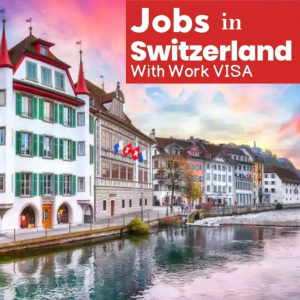
Career Opportunities in Switzerland with Work Visa Sponsorship
Introduction
Switzerland, renowned for its high quality of life, economic stability, and breathtaking landscapes, represents a premier destination for international professionals. The Swiss economy, characterized by innovation and a strong industrial base, is actively seeking skilled talent from around the globe. This guide details the pathway to securing employment in Switzerland, including key industries in demand, the visa sponsorship process, and how to position yourself for success in this competitive and rewarding job market.
For qualified candidates, many leading Swiss companies offer comprehensive work visa sponsorship, making the dream of working in the heart of Europe an attainable reality.
Why Pursue a Career in Switzerland?
Choosing to work in Switzerland offers more than just a job; it offers a lifestyle defined by professional excellence and personal well-being.
-
World-Class Compensation: Switzerland offers some of the highest salaries in the world, commensurate with a high cost of living. This allows for a excellent standard of living and strong savings potential.
-
Unparalleled Quality of Life: Consistently ranked among the best globally, life in Switzerland is marked by pristine nature, efficient public services, low crime rates, and outstanding healthcare and education systems.
-
Economic Stability and Innovation: Home to global headquarters in pharmaceuticals, finance, and technology, Switzerland provides a stable and forward-thinking economic environment.
-
Central European Location: Situated in the heart of Europe, Switzerland offers easy travel access to neighboring countries like France, Germany, Italy, and Austria, enriching your cultural and personal experiences.
-
Professional Development: Working alongside some of the world’s most skilled professionals in highly specialized industries provides unparalleled opportunities for career growth and networking.
Key Industries Seeking International Talent
Switzerland’s demand for skilled workers is concentrated in several high-value sectors. Understanding these industries is the first step to targeting your job search effectively.
1. Pharmaceuticals, Biotechnology, and Life Sciences
Home to giants like Roche and Novartis, the Basel area is a global epicenter for life sciences. This sector is a major employer of international talent.
-
Common Roles: Clinical Research Associate, Data Scientist (Bioinformatics), Process Engineer, Regulatory Affairs Specialist, Laboratory Technician, Quality Assurance Manager.
-
Required Profiles: Candidates with degrees in Biology, Chemistry, Biochemistry, Medicine, or Biomedical Engineering. Advanced degrees (Master’s, PhD) are highly valued.
2. Banking, Finance, and FinTech
Geneva and Zürich are global financial hubs, known for private banking, asset management, and a rapidly growing FinTech scene.
-
Common Roles: Financial Analyst, Asset Manager, Compliance Officer, Blockchain Developer, Quantitative Analyst (“Quant”), IT Auditor, Relationship Manager.
-
Required Profiles: Professionals with backgrounds in Finance, Economics, Mathematics, or Computer Science. Relevant certifications (CFA, FRM) and experience in international finance are significant advantages.
3. Engineering and Manufacturing
Switzerland has a legendary reputation for precision engineering, encompassing everything from luxury watches to industrial machinery and robotics.
-
Common Roles: Mechanical Engineer, Electrical Engineer, Automation Specialist, PLC Programmer, Precision Mechanics (Watchmaking), Project Manager.
-
Required Profiles: Individuals with engineering degrees or specialized vocational training (e.g., in mechatronics, microtechnology). A strong portfolio of practical experience is crucial.
4. Information Technology and Telecommunications
The demand for IT professionals spans all sectors, from developing enterprise software to securing critical national infrastructure.
-
Common Roles: Software Developer/Engineer (Java, Python, C++), DevOps Engineer, Cybersecurity Specialist, Cloud Architect (AWS, Azure), Data Engineer, IT Project Manager.
-
Required Profiles: Experts with proven technical skills, relevant certifications, and experience in agile development environments. Proficiency in a local language is less critical in this sector but remains beneficial.
5. Hospitality and Tourism
With its iconic Alps and world-class cities, Switzerland’s hospitality industry requires a constant influx of multilingual and service-oriented staff, especially in management roles.
-
Common Roles: Hotel Manager, Chef de Cuisine, Sommelier, Tourism Marketing Manager, Conference and Events Coordinator.
-
Required Profiles: Individuals with hospitality management degrees or extensive experience, coupled with fluency in multiple languages (especially English, German, and French).
Understanding the Swiss Work Visa Process
The prospect of visa sponsorship can seem daunting, but the process is well-defined. Sponsorship is typically handled by your prospective employer.
Key Steps for a Non-EU/EFTA National:
-
Secure a Job Offer: This is the essential first step. You must have a signed contract from a Swiss employer who is willing to act as your sponsor.
-
Employer Initiates the Permit Application: The employer applies for your work permit (L, B, or G permit) at the cantonal (state-level) immigration authorities. They must demonstrate that no suitable candidate from Switzerland or the EU/EFTA region could be found for the position.
-
Cantonal and Federal Approval: The application is reviewed at both the cantonal and federal levels. The decision is based on your qualifications, the job’s requirements, and Switzerland’s annual quotas for non-EU workers.
-
Visa Application (for non-visa exempt nationals): Once the permit is approved, you apply for a visa (D-type) at the Swiss embassy or consulate in your home country to enter Switzerland.
-
Registration in Switzerland: Upon arrival, you must register with the local residents’ registration office (Einwohnerkontrolle/Contrôle des habitants) in your canton to receive your physical work permit.
Types of Work Permits:
-
L Permit (Short-Term): For assignments up to 12 months. Tied to a specific employer.
-
B Permit (Initial Residence): The standard permit for initially hired foreign employees, typically valid for one year and renewable.
-
G Permit (Cross-Border Commuter): For individuals living in an EU/EFTA country but working in Switzerland.
Ideal Candidate Profile
While each role has specific requirements, successful applicants for Swiss work visas often share a common profile.
Key Qualifications & Experience:
-
A university degree or equivalent higher education qualification from a recognized institution. In many cases, a Master’s degree or higher is expected for non-EU candidates.
-
Several years of relevant professional experience in your field, demonstrating specialized expertise that is in demand.
-
A signed employment contract with a registered Swiss company that meets local salary and working condition standards.
Core Competencies & Behaviors:
-
High Degree of Specialization: Swiss companies often seek experts in niche fields. Deep, specific knowledge is more valuable than broad, generalist experience.
-
Language Skills: While English is often the corporate language in international companies, proficiency in German, French, or Italian (depending on the region) dramatically increases your opportunities and aids integration.
-
Adaptability and Cultural Openness: The ability to integrate into Swiss society and respect local customs and professional norms is highly important.
-
Proactive and Self-Reliant: Swiss work culture values independence, initiative, and a strong sense of responsibility.
How to Apply for Jobs in Switzerland
A strategic and professional approach is critical for a successful job search.
-
Optimize Your Application Documents:
-
CV/Resume: Keep it concise, clean, and typically no longer than two pages. Include a professional photo, which is a common expectation. Clearly list your education, work experience, and language skills.
-
Cover Letter: Tailor each letter to the specific company and role. It should be formal, well-structured, and explain your motivation for working in Switzerland and for that particular employer.
-
-
Utilize the Right Job Portals: Target your search on platforms popular in the DACH region (Germany, Austria, Switzerland).
-
Network Proactively: Networking is highly effective in Switzerland. Attend industry conferences, join relevant LinkedIn groups, and connect with recruitment agencies that specialize in placing international candidates.
To apply for this job please visit t.co.